
 3 gibbles out of 5

Directors: various
The successor to the X-Files! The successor to Lost! And maybe Fringe is both, and maybe it’s neither, but it’s good enough to keep you entertained for an hour.
Tons of shows vied to make good on either of those claims above. The X-Files dug into our collective interest in weird-lite with intelligence and characterization not normally given to such subject matter, and Lost created a whole specialized branch of TV where everything is ‘viral’ and secret campaigns on the internets that explain nothing rule the day. Both shows had their faults – X trailed off into something different after the first movie hinted that answers weren’t soon forthcoming, and Lost seemed made up as it went along in many instances – and Fringe shares those faults to a certain degree.
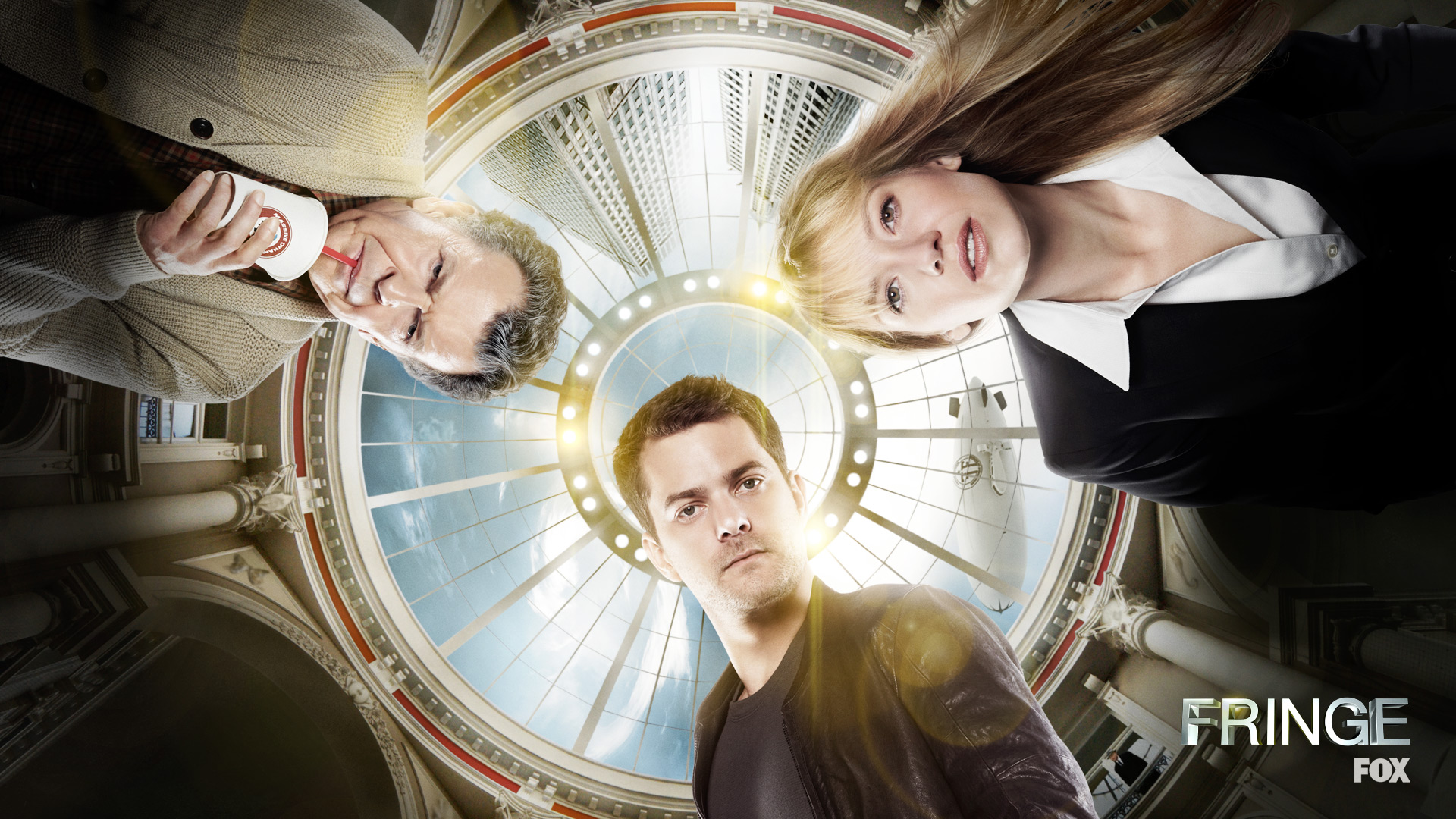
But the premise is pretty cool: FBI agent Olivia Dunham (Anna Torv) stumbles across some weird conspiracy stuff that seems to involve non-standard other-worldly things, thus requiring her to enlist Professor Walter Bishop (John Noble), whose release from a mental asylum requires her to recruit his son, Peter Bishop (Joshua Jackson). All of the weirdness involved in pursing this conspiracy causes Olivia’s boss to conscript her into “Fringe division,” which is, for all intents and purposes, the branch that handles the X-Files cases. Our trio is established, with Olivia the straight man, Walter the goofball with the deux ex machinas, and Peter the wildcard who is equal parts genius and rebel.
While it takes almost through season 2 to work out the hinks with the characters – Olivia is too dumb at first, Walter a little too sad, Peter a little too abrasive – J.J. Abrams and his team of writers / creators do well by making who seem to be, at first, anterior characters to Olivia – Walter and Peter – grounded as more realistic personas than the setup would theoretically allow. They form an interesting dynamic as father and son, learning to come to grips with a rough past where Walter left the family. It’s all good enough to shoulder us through the freak-of-the-week format.
But it’s from J.J. Abrams, so some tomfoolery must be afoot. In interviews, it’s been explained that the show has a definite direction, and that once cancellation is looming, they’ll tie up story ends, but in the meantime they’ll keep the singular episode format for the most part. It’s a good plan. And it works up through season 2, where Fringe has a sort of manic forward momentum. Not stuck to the very premise being a mystery a la Lost, Fringe is freed to actually solve things week to week and it’s fun, seeing characters who grow into favorites have consistent jokes and experiences that you remember from previous episodes.
Sometime in season 2, though, we get away from this and start pointing toward the big “secrets,” which, once we’re several reveals into season 3 start becoming sort of pointless. There’s a big crux the show hangs on that doesn’t quite have the impact it seems like it should, and just when you relent and get into the change of direction, the show will stop and toss out a couple one-shots again. In season 4 the creators have seemed to get some footing back on the balance, but only time will tell as of this writing.
So it’s a fun show. It’s got goofy topics that will make you wiki them, and fun characters who, on the whole, develop in fascinating ways that you wouldn’t expect from a show of this nature. But it’s still a TV show, which means that there’s an inevitable essence of stringing the viewer along, and for a series that’s all about solving these mysteries, it can get a little tedious.
"There's the plot, now let's circle around it."
 vaguely-offensive